People love plans as blueprints of how things will be. Yet, we know intrinsically that our contexts are too dynamic for us to predict the future by projects’ output. Things are changing rapidly, and we are still stuck with processes that are as effective as the outputs they generate.
This article is inspired by Janice and Jason Fraser, and their wonderful book Farther, faster and far less drama. In this article, I will be deliberately not speaking about product management techniques but rather about small things you can start doing now, to help you create a greater value.
Before looking into the (platform) product management world, let’s zoom in on our daily lives. We all have created to-do lists; we follow steps to achieve something. We had the relief of thinking we had made it. How many times have you been genuinely successful by following a bullet point list? What other paths could you have followed that could be as successful, if not more successful? While you were box-checking the items on your list, how many things changed that challenged your project?
Unfortunately, focusing only on outputs is something lurking in our daily practices. Making it to the final line will not make you succeed. We avoid to have the tough conversations.
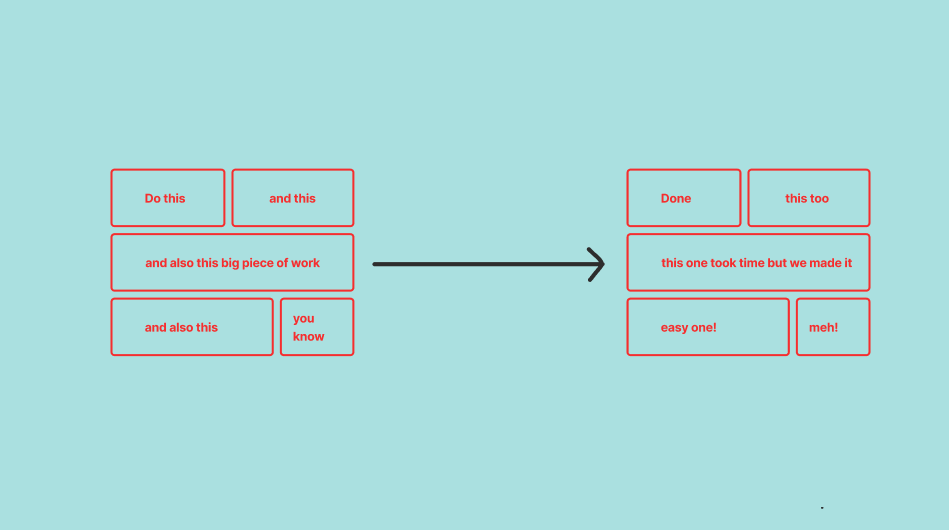
Let’s pick an example. Let’s say you want faster response times in your decision services. Also, the current solution will reach capacity and stop responding at a particular volume load. So, your goal is an architecture that can handle any load while keeping response times fast.
Instead of framing it as an opportunity that can have multiple solutions, a decision is made in traditional platform teams, and new vendors should be brought in to achieve this or do whatever the directors say. In parallel, you might have a dozen other projects in the pipeline, either in progress or waiting to be picked up. Finally, your team starts working with a joyful steering committee until all items are delivered.
By measuring our plans on activities and not outcomes, we validate that our plan delivered what we thought it should, not the value it provides. So, we have yet to determine if another vendor would have been better or if, contextually, an optimisation is worth doing now before spending too much time and resources on changing vendors.
Ultimately, you can not just predict the value of any plan focusing only on activities. Yet, predicting value by a list of tasks is rewarded more than having a real impact and being outcome-focused.
Creating Value
A project per se does not show the final state of what we want our products to be, and it narrows all the possible solutions to only one. Which most likely will not be the best of the solutions we could try out.
Planning strictly to deliver a set of actions will not ensure an idea’s success but give you a fake sense of accomplishment. Some disadvantages of having strict plans focused on outputs are:
- You are tied with that one choice
- We lose good opportunities being too focused on the project;
- We feel very frustrated when not accomplishing goals;
- When things get out of our control; we are not flexible to react
When building products, or in our lives, we never think of creating a product full of features that no one uses or that does not solve any problem. Who wants that? Yet, unfortunately, we see this dynamic repeating in many organisations.
We learned, historically, to make plans to avoid the uncertainty of failure by creating a set of steps and guiding the process focused on activities; we miss connecting each of these steps to what is essential.
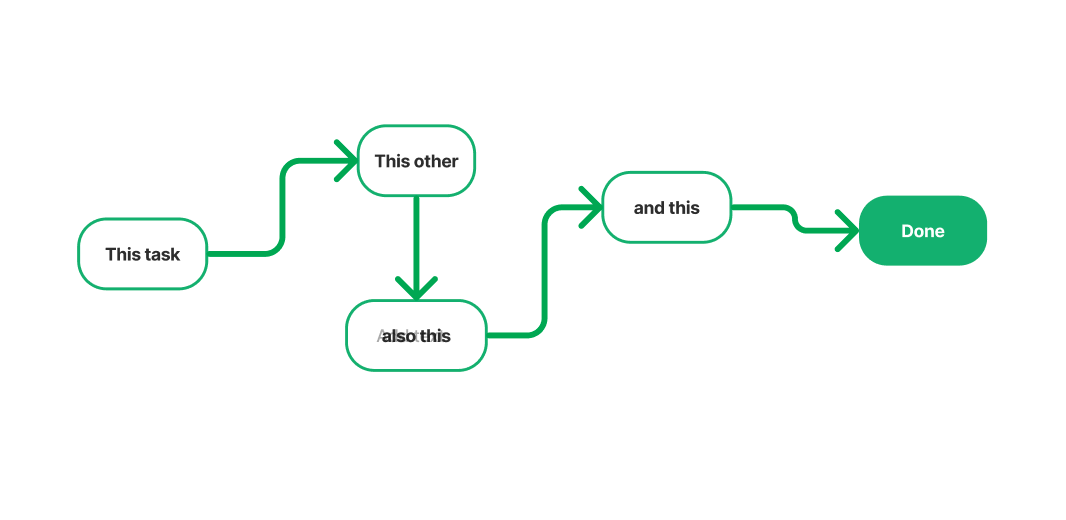
Regardless of the process you use in your product development process, it would help if you focused on outcomes. I have never preferred off-the-box processes or techniques because whatever method you use, you need to concentrate more on your product’s results to reduce waste. You could have a chance at success, but that is just by luck, not because you feel comfortable with the solution’s value.
Ok, but what is product value?
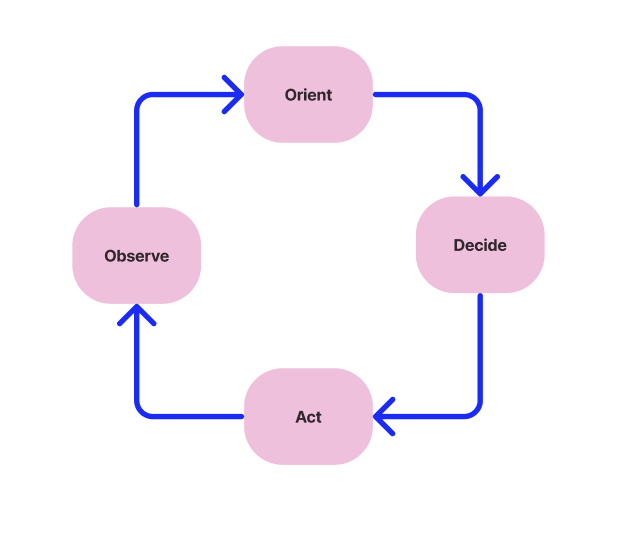
It might sound easy, but sometimes we need to observe our context better, take the time to reorient and redefine that value and act upon it. See? Having a clear plan for how to deliver value is a massive fallacy. We need to redefine value regularly and how we impact it constantly.
Everyone around you might have their perception of what value means. This perception of value changes from person to person, as we all have different experiences and learnings in our careers (same in our lives, we all can have different perceptions of what is valuable to us)
So, you, the product manager, are in charge of clearing the air. You need to be able to direct your efforts to demonstrate the value to the customer and the business.
- What problems are you solving for the customer that makes the customer use your product consistently and not others?
- How will building a new initiative satisfy a user’s need, so the user will opt to buy and use your product?
- What risks are associated with a solution you are considering developing that can affect your product’s value? Does it reinforce this value? Is it a new added value? What about other use cases?
Creating explicit assumptions about the product’s customer value is an excellent way to start. Remember, only some of your customers will find the same value in using your product, so you must iterate into its value assumptions.
Plans vs Value
As we just saw, contexts change constantly. So does the perception of the value of your product. However, one thing remains the same in your projects, initiatives, and ideas: they all have an outcome, even when we think mindlessly in deliverables and output terms.
It is ok to make plans, yet we should be mindful of staying flexible and reassessing our context and how our decisions are changing the course of our products.
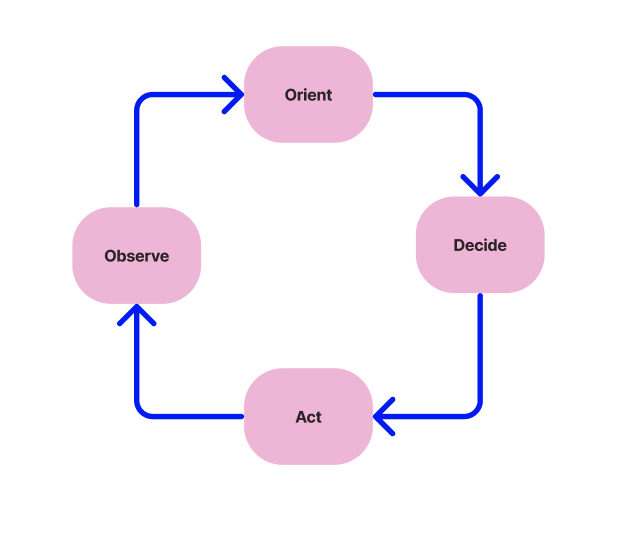
In Farther, faster and far less drama, a terrific book by Janice Fraser and Jason Fraser, a whole chapter explains this technique and is outcome-focused. I am just bringing it to product management. The technique helps you to to Observe, Orient, Decide and Act.
They go deeper into explaining outcome-oriented roadmaps, and other very wise advice for having better leadership. This one, resonated with me, because somehow I have been doing this for a long time, but never saw it put into context as clearly as Janice and Jason do.
How does this translate to product management?
In a nutshell:
- Stop obsessing over deliverables or project completion if you are not focusing on what they bring first.
- Regularly assess and observe your product’s context (customers, market, business, competitors, new technologies)
- Decide where you want to go with your product next. Once you have a clear idea of what your context is, and what changes are happening that will affect your product, you are better prepared to make decisions on your product.
- Focus your roadmap on outcomes. Review the intended outcome of each initiative (every time you assess an idea, you should go over this. If the value is crystal clear, make sure all your team and business partners also see it so). See if it helps you achieve your goals. If not, drop it.
- Audit your product. Are they delivering the intended outcomes? Is there something happening in your product that prevents you from having stronger results?
 Robiert Luque